A pilot filtration test is only as reliable as the equipment used to perform it. For this reason, the Autemi LAB200 and LAB300 series have been designed as modular platforms that can be configured with a wide range of accessories and auxiliary equipment, allowing users to build the most suitable filtration station for their specific application.
From simple stand-alone filterpresses for basic filtration tests to fully equipped pilot stations capable of reproducing complex industrial processes, every system can be customized according to the characteristics of the slurry, the desired process functions and the level of automation required.
The available equipment includes slurry preparation and storage tanks, high-pressure feeding pumps, membrane squeezing systems, heating systems, electrical control panels, cake collection devices, mobile skids and various pressure generation and distribution systems. Each component has been selected to ensure reliable operation, repeatable testing conditions and accurate process data collection.
By combining the appropriate equipment with the desired process features, users can simulate real industrial operating conditions, evaluate process performance and generate valuable information for process optimization and scale-up activities.
The following sections provide a detailed overview of the equipment available for the LAB series, explaining the purpose, operating principles and advantages of each component within a pilot filtration station.
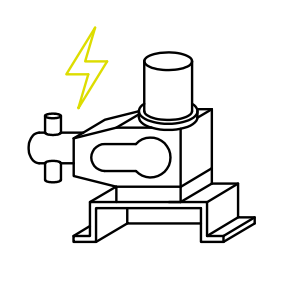
The Electric Piston Pump is the standard feeding solution used on electric filterpress stations, including the LAB200-EFS and LAB200-CEFS series.
Specifically designed for filterpress applications, this positive displacement piston pump is capable of generating the high pressures required during the filtration process, allowing the filterpress to progressively build and maintain pressure as the filter cake forms inside the chambers.
Unlike conventional centrifugal pumps, which are generally unsuitable for filterpress operation, the electric piston pump can easily reach operating pressures up to 15 bar while maintaining stable and reliable slurry feeding conditions.
The pump is controlled through the station electrical panel and can be integrated with pressure switches and control systems to automatically manage the filtration cycle.
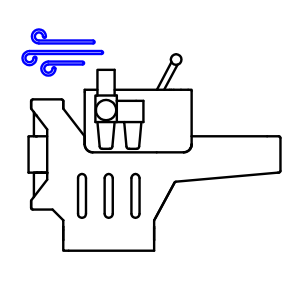
The Pneumatic Piston Pump is the preferred feeding solution for pneumatic filterpress stations, including the LAB200-PFS and LAB200-CPFS series.
Thanks to its pneumatic actuation system, the pump automatically adapts its flow rate to the resistance generated by the filter cake during filtration. As pressure increases inside the filterpress, the pump naturally reduces its flow while continuing to generate the pressure required to complete the dewatering cycle.
This characteristic makes pneumatic piston pumps particularly suitable for highly viscous, abrasive or difficult-to-filter slurries.
In addition to slurry feeding, the same pump can be used for cake washing operations, piping flushing and various auxiliary process functions.
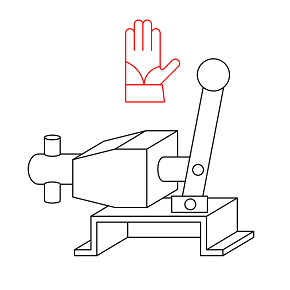
The Manual Piston Pump is designed for use with the LAB200-TRAVEL/MINI, providing a simple and economical solution for basic filtration tests.
Operated manually by the user, this piston pump can still generate pressures up to 15 bar, making it possible to perform realistic filterpress testing without requiring compressed air or electrical power.
Its compact design makes it particularly suitable for educational purposes, field testing, preliminary feasibility studies and applications where portability is essential.
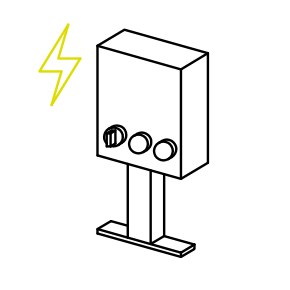
The Electrical Control Panel serves as the operational centre of electric laboratory and pilot filtration stations.
It manages all electrical devices installed on the system, including feeding pumps, mixers, heaters, instrumentation and safety devices. Depending on the station configuration, the panel can also include timers, pressure monitoring systems and automation functions.
Designed to simplify operation and improve safety, the electrical panel allows users to control the entire filtration process from a single location.
The Slurry Tank is used to store and prepare the material before filtration. Depending on the application, it can be equipped with an agitator to maintain solids in suspension and ensure a homogeneous feed to the filterpress throughout the entire filtration cycle.
Proper slurry conditioning is essential to obtain reliable and repeatable test results. Settling phenomena, concentration gradients and particle segregation can significantly affect filtration performance and lead to misleading conclusions during laboratory testing.
Available in different sizes and configurations, slurry tanks can be customized according to the characteristics of the product being processed.
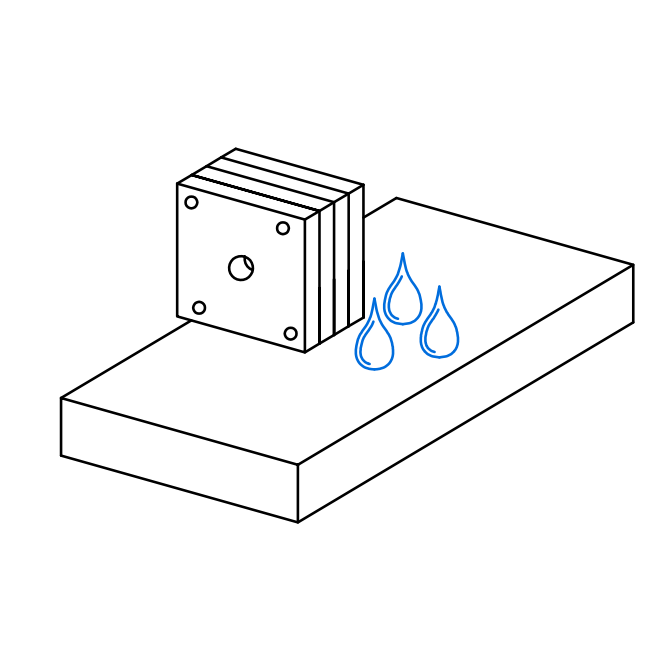
A small amount of filtrate dripping from the lower part of the filter plates is a normal occurrence during filtration.
The Drip Tray collects these residual drips, preventing contamination of the surrounding area and maintaining a cleaner working environment.
In addition to improving cleanliness, the drip tray helps operators recover residual liquids and facilitates maintenance and cleaning operations after testing.
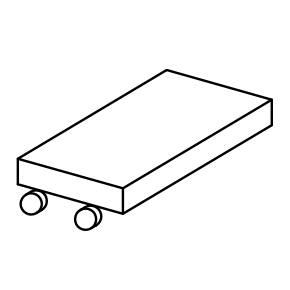
The Mobile Skid forms the structural base of the filtration station and supports all the installed equipment, including the filterpress, pumps, tanks and auxiliary devices.
The integrated wheels allow the entire station to be moved quickly and safely within the laboratory, pilot plant or testing facility.
This feature is particularly useful when different testing areas are used or when the station needs to be cleaned, stored or transported between workspaces.
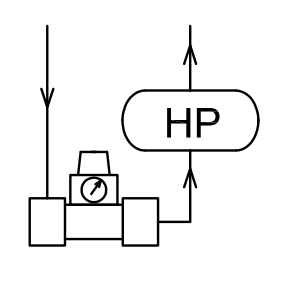
Membrane squeezing technology requires a dedicated source of high-pressure air capable of inflating the membrane plates after filtration has been completed.
The High Pressure Generation System is specifically designed to generate and regulate the pressure required for membrane squeezing operations, typically between 12 and 15 bar.
By supplying controlled high-pressure air to the membrane plates, the system enables mechanical compression of the filter cake, resulting in additional liquid removal and higher dry solids content.
Many advanced filterpress functions require a controlled supply of compressed air.
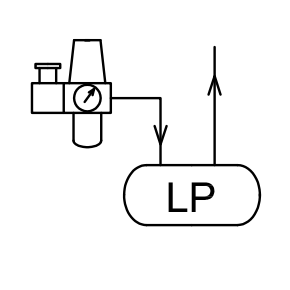
The Low Pressure Distribution System manages and regulates the compressed air used for process features such as Cake Blow, Core Blow, Channel Blow and pneumatic pump operation.
By allowing precise adjustment of air pressure levels, the system ensures consistent performance and repeatable testing conditions across all filtration cycles.
The Cake Collection Box is designed to collect the filter cake after completion of the filtration cycle.
Positioned below the filterpress, it receives the discharged cakes when the plates are opened. In systems equipped with a rotating drip tray, the tray can be tilted to direct the cakes directly into the collection box.
This simple but practical accessory helps maintain a clean working area while facilitating cake inspection, sampling and disposal.
Otherwise fill the form with all the required information and we will contact you for a tailor made solution for your application
Autemi s.r.l. – Via dell’Artigianato 20 – 48034 Fusignano (RA) – Italy
Ph: +39 0545 62985 – WhatsApp: +39 346 3222007 – Mail: info@autemi.com